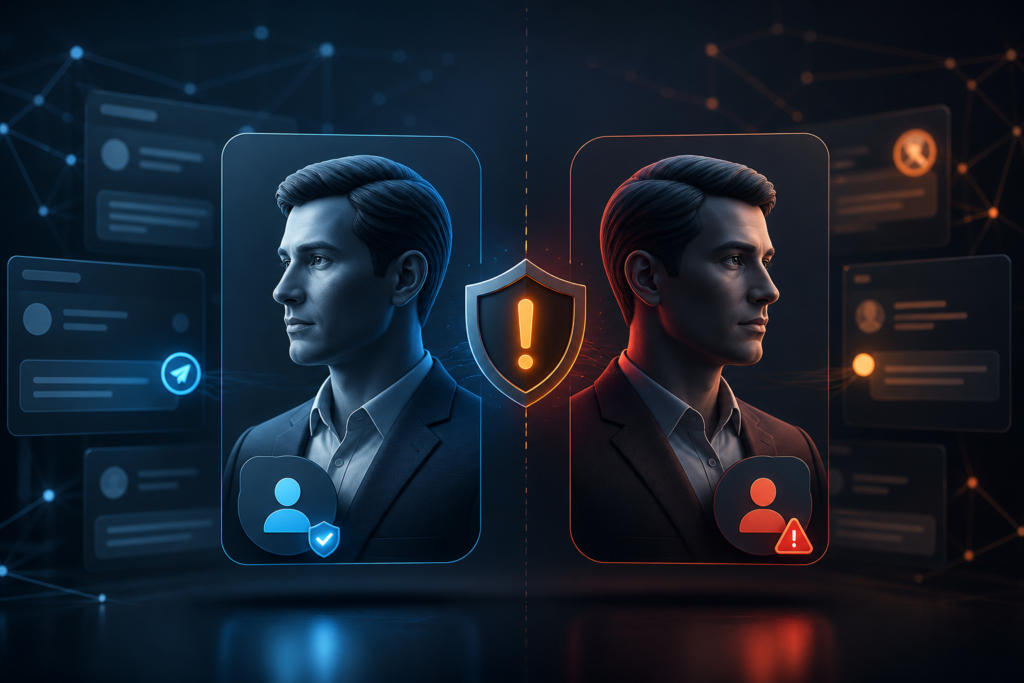
Cybersecurity in a Connected World
Cybersecurity is rapidly evolving, driven by the increasing interconnectedness of communication infrastructures. As more devices connect to the internet, vulnerabilities and risks also rise. In this context, threats to information security have diversified, ranging from direct attacks on systems to social engineering tactics. Social engineering, in particular, stands out for exploiting human weaknesses, employing techniques that manipulate individuals' psychology to gain access to sensitive data.
Understanding Social Engineering
Social engineering refers to the use of psychological techniques to persuade an individual to divulge personal or corporate information. A study from the University of Advancing Technology identifies that these attacks capitalize on cognitive biases and decision-making processes that can be exploited by attackers. Methods include phishing, impersonation, and other forms of manipulation, where the attacker creates false scenarios that provoke an emotional response, leading the target to act against their own security interests.
Operational Consequences of Cyber Attacks
The impact of social engineering attacks can be severe, including breaches of critical systems and information leaks. CERT.br, which acts as a national CSIRT of last resort, has observed an increase in such incidents, highlighting the vulnerability of systems to human manipulation. The growing operational complexity and reliance on digital services make organizations attractive targets, where a successful attack can result not only in financial losses but also in a degradation of trust from customers and business partners. A swift response to these incidents is crucial, and CERT.br plays a vital role in guiding and supporting affected businesses.
Governance and Controls in Cybersecurity
Governing cybersecurity involves creating policies and implementing controls that minimize risks associated with social engineering. Reports from the European Union emphasize the importance of the resilience of communication infrastructures, highlighting the need for proactive measures to prevent future attacks. Recommendations include conducting regular security training for employees, using robust authentication systems, and fostering a culture of security throughout the organization. It is essential for companies not only to respond to incidents but also to cultivate the capability to anticipate and neutralize threats before they materialize.
Practical Recommendations
In light of the growing threat of cyber attacks, it is imperative that both individuals and organizations adopt proactive measures to improve their security posture. Regular participation in cybersecurity training is highly recommended to raise awareness about social engineering techniques, such as phishing and impersonation. Additionally, establishing clear protocols for incident notification and response can help reduce the impact of such attacks, speeding recovery and minimizing losses. Creating an environment that encourages communication and collaboration may be key to enhancing resilience against these threats.
Why it matters
Cybersecurity is essential for protecting sensitive information and ensuring operational continuity.
Start implementing a cybersecurity training program now.